ZOA Energy Settlement Explained: How to Claim Up to $150 Over Alleged Misleading Labels
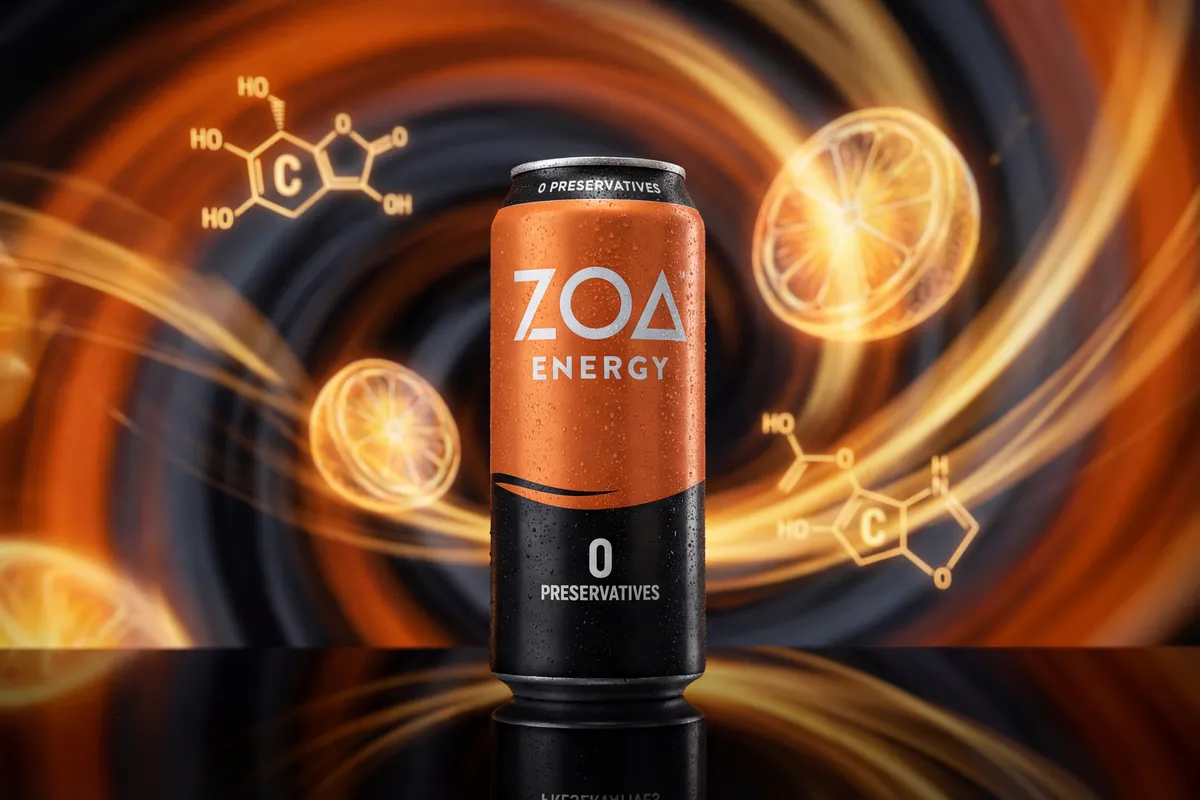
If you’ve ever grabbed a can of ZOA Energy especially because it promised “0 Preservatives” you may be eligible for part of a new class action settlement worth $3 million.
 @ClaudiasWorkshop
The energy drink brand, co-founded by Dwayne “The Rock” Johnson, has agreed to the settlement following a lawsuit that accused the company of deceptive advertising. While ZOA Energy denies any wrongdoing, the agreement opens the door for certain customers to file claims and receive compensation.
Here’s what you need to know.
Why ZOA Energy Was Sued
The lawsuit was filed on October 23, 2023, in the U.S. District Court for Northern California. At the heart of the case is ZOA Energy’s “0 Preservatives” labeling.
Plaintiffs alleged that the claim was misleading because the drinks contain citric acid and ascorbic acid, ingredients they argue function as preservatives even if they’re commonly used and widely accepted in beverages.
The lawsuit did not accuse the company of selling unsafe products. Instead, it focused on whether the labeling could reasonably confuse or mislead consumers.
ZOA Energy has denied the allegations, stating that its marketing complies with applicable laws and that its labeling is truthful. As with many class action settlements, the company agreed to resolve the case without admitting fault.
Who Is Eligible for the Settlement?
You may qualify for compensation if you purchased ZOA Energy drinks between March 1, 2021, and November 21, 2025.
Eligibility is based on household purchases, not individual cans so claims are limited per household.
How Much Money Can You Receive?
The amount you can claim depends on whether you have proof of purchase:
Up to $150 per household if you submit valid receipts
Up to $10 per household if you file a claim without receipts
The total payout comes from a $3 million settlement fund, meaning individual payments could be reduced if claims exceed expectations.
What This Settlement Does and Doesn’t Mean
It’s important to understand what this agreement represents:
It does not mean ZOA Energy admitted wrongdoing
It does not suggest the drinks are unsafe
It does reflect how consumer labeling disputes are often resolved through negotiated settlements rather than courtroom verdicts
Cases like this hinge on interpretation: what consumers reasonably understand words like “preservative” to mean, and whether certain ingredients cross that line.
The Bigger Picture: Label Claims Under the Microscope
This lawsuit is part of a broader trend of increased scrutiny around food and beverage marketing. Claims such as “natural,” “clean,” and “preservative-free” are increasingly challenged as consumers and courts look more closely at ingredient lists and labeling language.
For shoppers, it’s a reminder that marketing terms don’t always have universally agreed-upon definitions, even when they sound straightforward.
Final Takeaway
If you bought ZOA Energy drinks during the eligible period, filing a claim could put some money back in your pocket especially if you still have receipts. While the case doesn’t rewrite labeling law, it does highlight how closely brands’ marketing claims are being examined.
Sometimes, even a small phrase on a can can carry big legal weight.