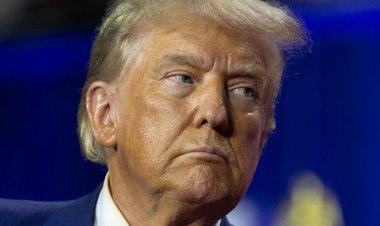
Trump Threatens to Invoke Rare 200-Year-Old Law in Minnesota Amid Protests Over ICE Shootings
President Donald Trump escalated tensions on Thursday by threatening to invoke the Insurrection Act a seldom-used law from 1807 that empowers a U.S. president to deploy military forces domestically in response to ongoing protests in Minneapolis and throughout Minnesota. His warning came against the backdrop of sustained unrest following multiple controversial shootings involving U.S. Immigration and Customs Enforcement (ICE) agents.
 @ClaudiasWorkshop
Trump posted his threat on Truth Social, saying he would institute the Insurrection Act if “corrupt politicians of Minnesota” did not take control of what he described as a growing crisis. He framed demonstrators as “professional agitators and insurrectionists” targeting ICE personnel carrying out their duties.
What Is the Insurrection Act?
The Insurrection Act of 1807 is a historical statute that allows the president to deploy active-duty troops or federalize National Guard units on U.S. soil without state consent to suppress domestic unrest. It has been invoked only a few times in U.S. history most notably in response to the 1992 Los Angeles riots, when President George H.W. Bush federalized the National Guard and deployed military forces to help restore public order.
Trump’s threat represents one of the first major modern references to the law in the context of civil protest rather than large-scale riots. Its potential use has sparked debate among constitutional scholars, legal analysts, and political leaders about presidential authority and civil liberties.
What Sparked the Unrest?
The current uproar in Minnesota started last week when a federal immigration agent fatally shot Renee Nicole Good, a 37-year-old Minneapolis woman, during an enforcement action. The shooting elicited widespread public anger and demands for answers, with many community members and local officials disputing federal accounts of the incident and calling for greater transparency.
Tensions were further heightened when, on Wednesday, a federal immigration officer shot and wounded a second individual a Venezuelan man during another enforcement encounter, according to federal officials. That incident came amid protests that have reverberated across the city.
Since then, federal agencies have deployed thousands of ICE and Department of Homeland Security personnel to the Twin Cities, a move that local leaders describe as heavy-handed and destabilizing. Minneapolis Mayor Jacob Frey has called the federal approach “an invasion” and said the situation is not sustainable, while Minnesota Governor Tim Walz has urged protests to remain peaceful and emphasized the complexity of balancing public safety with constitutional rights.
How Leaders and Residents Are Responding
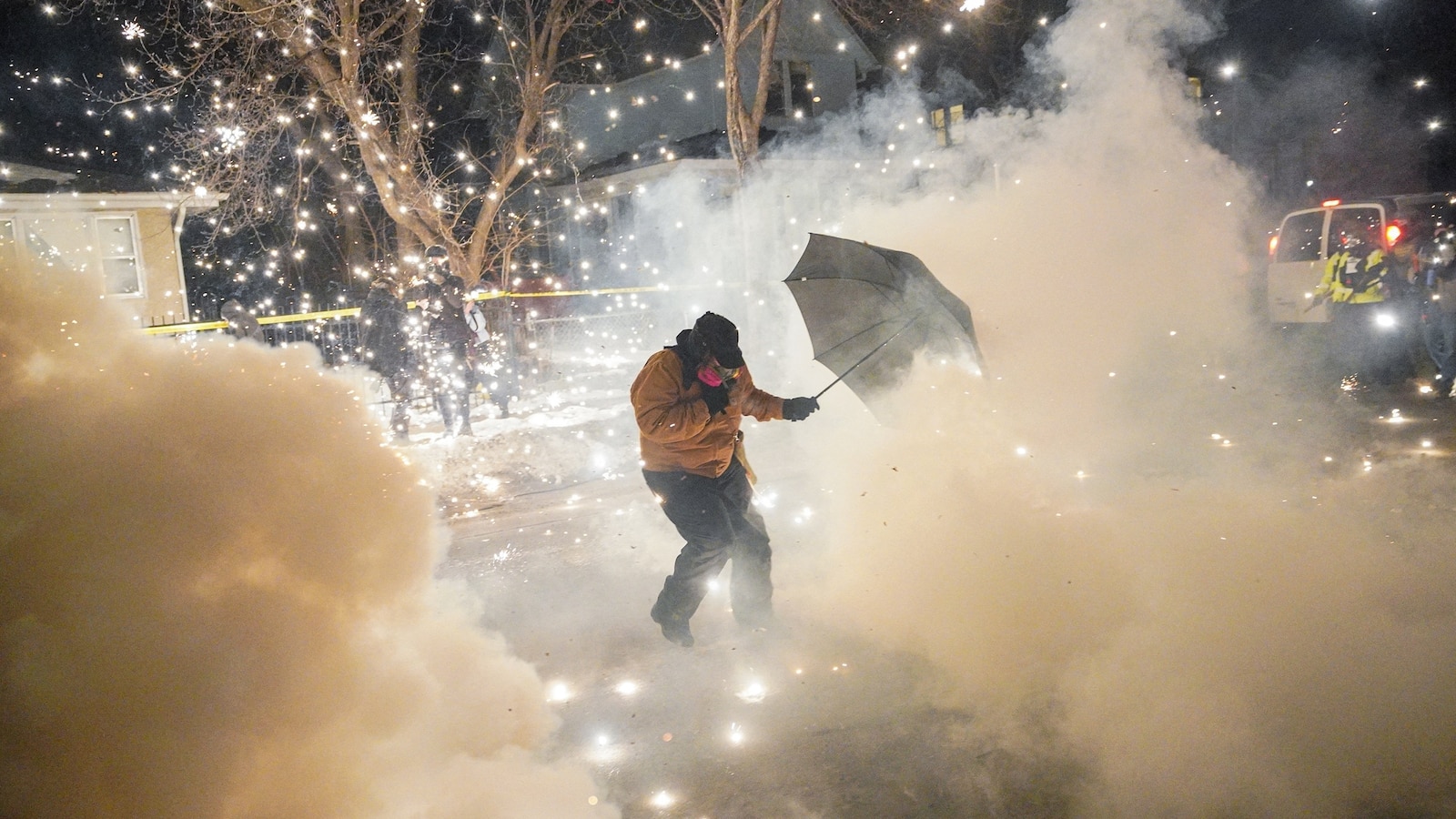
Reactions to Trump’s threat and the federal presence have been deeply polarized:
Minnesota officials argue that the federal enforcement surge lacks proper coordination with local authorities and exacerbates distrust in communities already on edge.
Protesters and civil rights advocates have rallied frequently in Minneapolis, decrying the fatal shooting of Good and other aggressive enforcement actions, and demanding independent investigations and accountability.
Federal leaders maintain that ICE is carrying out lawful immigration enforcement and that some demonstrations have crossed into unlawful or violent behavior, necessitating a stronger response.
The situation illustrates how immigration enforcement, political rhetoric, and local governance can collide with explosive consequences especially when amplified by social media and deeply divided public opinion.
Why the Insurrection Act Threat Matters
Invoking the Insurrection Act would mark a rare expansion of federal authority into domestic military deployment. The law was originally crafted for times of rebellion or insurrection, and its application in this context centered around civil protest rather than widespread violent uprising raises constitutional questions about the limits of executive power, federalism, and the right to dissent.
Legal experts note that any move to deploy troops under the act could prompt judicial challenges and intense scrutiny over whether the situation truly meets the law’s threshold. Meanwhile, many Minnesotans and national observers are watching closely to see how events unfold.
What Comes Next
As protests persist and federal forces remain in Minnesota, the story continues to evolve. Local leaders have pushed back against the idea of federal military intervention, calling for solutions grounded in dialogue, de-escalation, and accountability. Whether Trump’s threat results in actual invocation of the Insurrection Act or remains a rhetorical escalation it underscores the fraught mix of immigration policy, civil protest, and executive authority in early 2026.