Popular Sports Bar Chain’s Parent Company Files for Chapter 11 What It Really Means for Twin Peaks
The parent company behind one of America’s most recognizable sports bar brands has hit financial turbulence but it’s not pulling the plug.
 @ClaudiasWorkshop
Twin Hospitality Group, which owns and operates Twin Peaks and Smokey Bones, has officially filed for Chapter 11 bankruptcy protection, a move that allows businesses to restructure debt while continuing to operate. The filing was made Tuesday in the U.S. Bankruptcy Court for the Southern District of Texas, according to company statements.
If “bankruptcy” instantly triggers visions of darkened dining rooms and locked doors, take a breath. Twin Hospitality says both brands will remain open and operating as usual throughout the Chapter 11 process.
Chapter 11 Isn’t the End It’s a Reset Button
Chapter 11 filings often sound more dramatic than they are. In many cases, they’re less about collapse and more about recalibration. For restaurant groups navigating rising labor costs, higher food prices, and uneven consumer spending, restructuring has become a survival strategy rather than a death sentence.
Twin Hospitality has been clear about its intentions: keep the grills hot, the TVs on, and the doors open while the balance sheet gets a much-needed rework.
A Big Footprint, Big Numbers, and Bigger Pressure
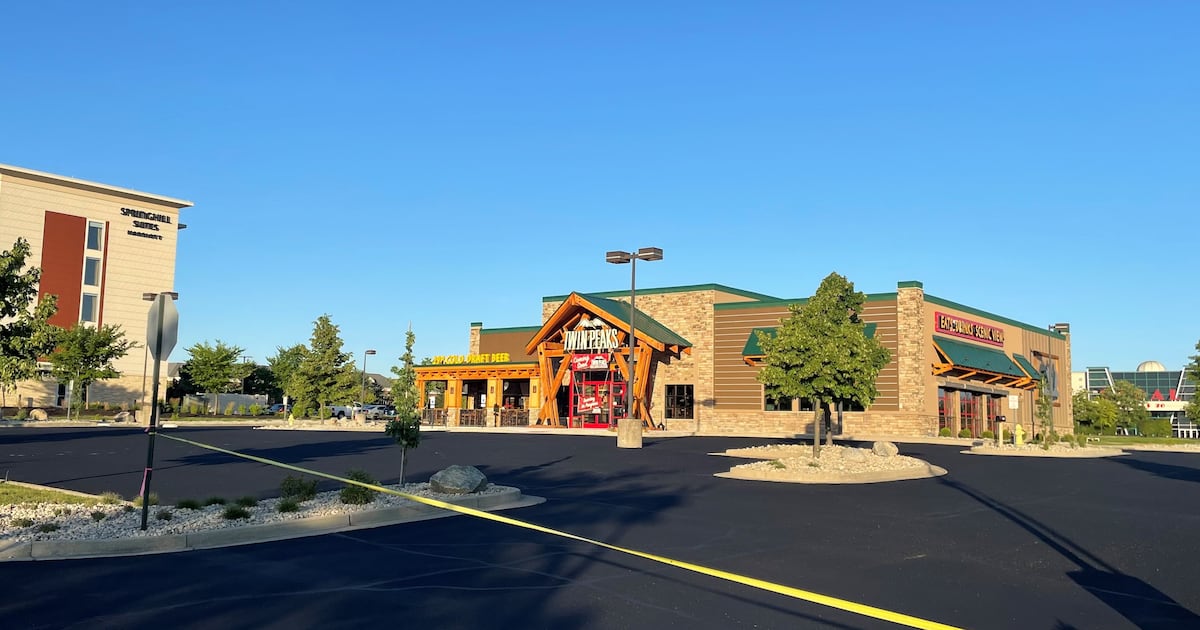
Twin Peaks alone operates approximately 115 locations across 27 U.S. states and Mexico, including restaurants in Hoover and Huntsville, making it a major player in the national sports bar ecosystem.
According to Franchise Times, the company listed assets and liabilities ranging between $1 billion and $10 billion a staggering spread that underscores just how complex and sprawling the business has become.
When companies grow fast, they don’t just accumulate fans and franchisees. They accumulate debt, leases, obligations, and exposure to economic mood swings. Chapter 11 is often where all of that gets sorted sometimes painfully, sometimes productively.
A Spin-Off and a Shared Storm
Adding another layer to the story: Twin Hospitality spun off from FAT Brands last year and FAT Brands also filed for Chapter 11 protection on the same day.
That timing isn’t accidental. It reflects broader strain across the casual dining sector, where even well-known brands are struggling to balance expansion dreams with post-pandemic realities.
In other words, this isn’t just a Twin Peaks story. It’s an industry one.
Leadership’s Take: Confidence, Not Collapse
Despite the filing, Twin Hospitality CEO Andy Wiederhorn struck a tone of confidence rather than retreat.
“We are confident that the brand remains positioned for meaningful global expansion in the years to come.”
That kind of optimism may sound familiar it often accompanies Chapter 11 filings but it’s not necessarily empty. Many restaurant brands have emerged from restructuring leaner, more focused, and better positioned for long-term growth.
What This Means for Customers and Employees
For now, patrons shouldn’t expect much to change. Locations are staying open. Games will still be on. Menus aren’t disappearing overnight.
For employees and franchise partners, Chapter 11 can bring uncertainty but it can also offer stability compared to an outright shutdown. The goal is continuity, not chaos.
The Bigger Picture
Twin Hospitality’s filing is another reminder that even popular, nationally recognized restaurant brands aren’t immune to financial strain. Rising costs, shifting consumer habits, and aggressive expansion have reshaped the casual dining landscape and not everyone makes it through untouched.
Still, Chapter 11 doesn’t mean failure. Sometimes, it means survival with scars and a chance to come back smarter.