Alabama Town’s Leadership Plunges Into Legal Turmoil Just Weeks After New Officials Take Office
Just one month ago, leaders in the small Alabama town of Lipscomb, west of Birmingham, stepped into office promising calm after years of chaos. Voters were told the era of infighting, lawsuits, and political gridlock was finally coming to an end.
 @ClaudiasWorkshop
Instead, the town has landed right back in court.
Barely four weeks into the new administration, Lipscomb’s mayor and city council are already locked in a legal battle that has left the town without a functioning council and residents watching history repeat itself.
A Government Already at a Standstill
At the center of the dispute is a controversial plan to redraw council district lines, a move that would effectively push several sitting council members out of the districts they were elected to represent. The disagreement has spilled into court alongside another long-simmering issue: who actually has the authority to appoint Lipscomb’s police chief.
For now, the courts have stepped in.
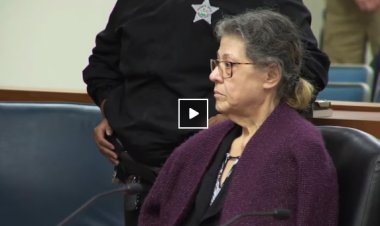
A judge in nearby Bessemer has issued a temporary restraining order preventing three council members from carrying out their official duties until a formal hearing takes place next week. With three of the five council members sidelined, Lipscomb currently lacks the quorum needed to conduct city business.
In a town of roughly 2,000 residents, that paralysis is more than symbolic it’s operational.
Mayor Challenges Council Members’ Eligibility
In court filings, newly elected Mayor Rob Sims argues that three reelected council members Barbara Moore, Vanessa Reed, and Christine Burrell no longer live within the boundaries of the districts they represent and therefore are not legally eligible to serve.
According to the mayor’s claims, the previous city council on which those same members served had already notified Jefferson County voting officials of plans to implement new district maps. Those maps, Sims contends, placed the council members outside their former districts.
In a particularly striking detail, the mayor’s filing notes that some of the council members were allegedly unable to vote for themselves in the most recent election because their ballots reflected the newly drawn districts. Despite that, all three won reelection.
Judge Temporarily Sides With Mayor
On December 9, Judge David Hodby granted the temporary restraining order requested by Mayor Sims and city attorney Lucien Blankenship, agreeing that the eligibility questions warranted immediate action.
The ruling effectively pauses the council members’ authority while the court examines whether the redistricting process was legally valid and whether it was actually in effect at the time of the election.
A full hearing is scheduled for Thursday, when both sides will argue whether the restraining order should remain in place or be lifted.
Promises of Stability, Reality of Déjà Vu
For Lipscomb residents, the unfolding drama feels painfully familiar. The town has spent years mired in legal disputes, leadership struggles, and political power plays precisely the dysfunction the new administration vowed to leave behind.
Instead, the ink on those promises has barely dried.
What was meant to be a reset has become a flashpoint, raising uncomfortable questions about governance, transparency, and whether procedural confusion is being used as a political weapon.
Until the court weighs in, Lipscomb remains in limbo its council effectively frozen, its leadership divided, and its citizens once again waiting for stability that feels perpetually just out of reach.