A ‘Venomous Coalition’ Fractures the MAGA Movement as Key Figures Exit the Heritage Foundation
For decades, the Heritage Foundation stood at the center of Washington’s conservative universe a policy engine, an intellectual anchor, and a trusted compass for Republican administrations, including that of President Donald Trump. This weekend, that image cracked.
 @ClaudiasWorkshop
More than a dozen senior staffers quietly but decisively departed the influential think tank, signaling a deeper ideological rupture within the modern conservative movement. Their destination: Advancing American Freedom, a rival organization founded by former Vice President Mike Pence, now one of Trump’s most prominent internal critics.
The exits were not symbolic. According to a press release from Advancing American Freedom, the departures included the entire leadership and staff of Heritage’s legal, economic, and data teams core pillars of the institution’s policy-making apparatus. It was less a reshuffling than an exodus.
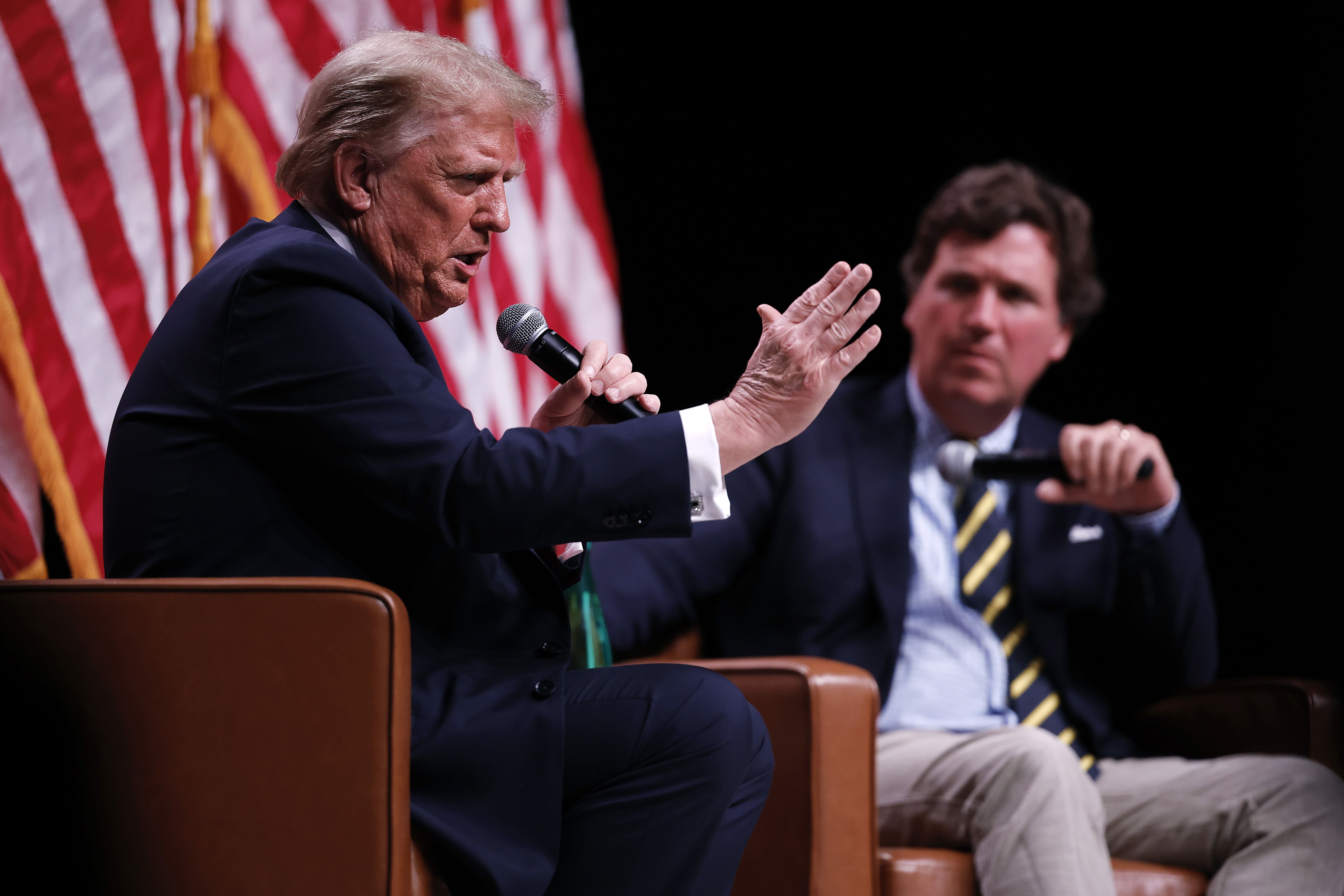
At the heart of the split lies a growing discomfort with what some insiders describe as Heritage’s drift toward a more confrontational, isolationist posture one that has increasingly aligned itself with figures like Tucker Carlson and Nick Fuentes, and with policy positions once considered fringe within traditional conservative circles.
In an interview with The Wall Street Journal, Pence who served as Trump’s vice president before becoming
a vocal dissenter spoke with a tone that mixed disappointment and resolve. He said he had long respected the Heritage Foundation, but now sees it as “abandoning its principles,” citing its openness to tariffs, skepticism of long-standing alliances, and what he views as a narrowing moral framework.
The phrase circulating among critics “venomous coalition” captures the unease felt by those who believe the movement is being reshaped less by conservatism as a philosophy and more by grievance as a strategy. For them, the issue isn’t just policy disagreement; it’s a question of identity, direction, and tone.
This moment reflects a broader tension inside MAGA-aligned conservatism: a tug-of-war between institutional legacy and populist momentum, between ideological consistency and political spectacle. Heritage, once known for white papers and policy briefs, now finds itself accused of trading restraint for provocation.
Advancing American Freedom, meanwhile, is positioning itself as a refuge for conservatives who feel politically homeless too traditional for the new populist wing, too critical to remain silent. With the arrival of Heritage’s former teams, the group gains not just manpower, but credibility.
Whether this fracture marks a temporary schism or a lasting realignment remains to be seen. But what’s clear is that the conservative ecosystem is no longer orbiting a single center of gravity. The ideas, alliances, and institutions that once moved in lockstep are now drifting sometimes sharply into separate orbits.
And in Washington, when think tanks split, it’s rarely just about staffing. It’s about the future they believe they’re building or the one they fear is being lost.